Author Archives: ce

Neulich, an der Ladesäule

Seit fast einem Jahr fahre ich fast ausschließlich ein Elektrofahrzeug. In Summe funktioniert das Ganze deutlich besser, als ich erwartet hatte. Lademöglichkeiten gibt es meist genug, auch Schnelladesäulen, wenn man unterwegs nachladen muss (die Preise sind allerdings, auch an 22 KW-Säulen, häufig saftig. Kürzlich fielen 84ç an.).

Allerdings kann das Ganze durch die nicht ganz triviale Gemengelage aus Betreibern, Zahlungsarten, Ladesystemen und Fahrzeugelektronik manchmal auch tückisch werden. Mit 25 km Restreichweite suchte ich heute eine Lademöglichkeit. Ergebnisse:

  1. Eine Ladesäule eines großen Mineralölkonzerns war nicht in Betrieb (Display aus).
  2. Beim Discounter direkt nebenan meldete das Fahrzeug mehrfach einen Fehler in der Ladeinfrastruktur (eine Meldung, die recht häufig auftritt).
  3. Beim zweiten Discounter nebenan war Laden nur mit dessen Ladekarten möglich.
  4. Glücklicherweise bot einige Meter weiter ein Gewerbebetrieb 5 öffentliche Ladeplätze mit QR-Codes an, die mit der App sogar funktionierten. Für die etwas mageren 7 kW war ich extrem dankbar, um zumindest so viel nachzuladen, dass es bis zurück reichen sollte.
  5. Einige Kilometer weiter steuerte ich eine 150 kW-Schnellladesäule an. Auch dort brach der Ladevorgang zweimal noch während der Initialisierung mit einer Fehlermeldung ab. Ein weiterer potentieller Kunde hätte dort gerne mit Kreditkarte geladen. Diese Zahlmöglichkeit gab es dort aber nicht.
  6. Endlich zurück, lud ich das Fahrzeug an einer 22 kW-Ladestelle, an der das Fahrzeug bereits einige Male das Laden verweigert hatte. Heute ging es dankenswerterweise.

Als Elektrofahrer gewöhnt man sich schnell daran, dass einzelne Ladesäulen aus einem der obigen Gründe hin und wieder nicht funktionieren. So gehäuft wie heute hatte ich das aber bislang nicht.

Learning how to learn

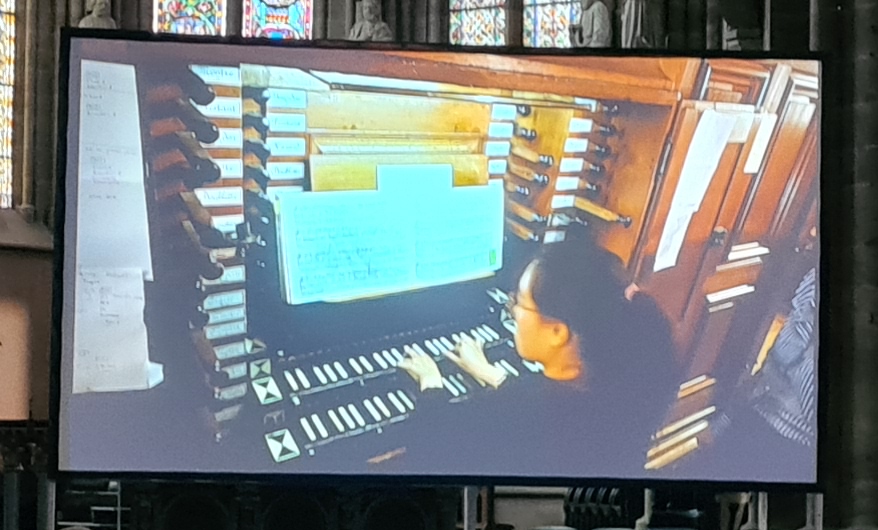
About 10 years ago, I started to learn playing baroque pipe organ music literature (and contributed to a concert a couple of weeks later). As an autodidact, I started by just playing the pieces by sight-reading. I soon realized that this is neither an effective nor efficient method to master them. As a consequence, over all those years, I incrementally filled my practicing toolbox step by step. And I’m still not done yet.

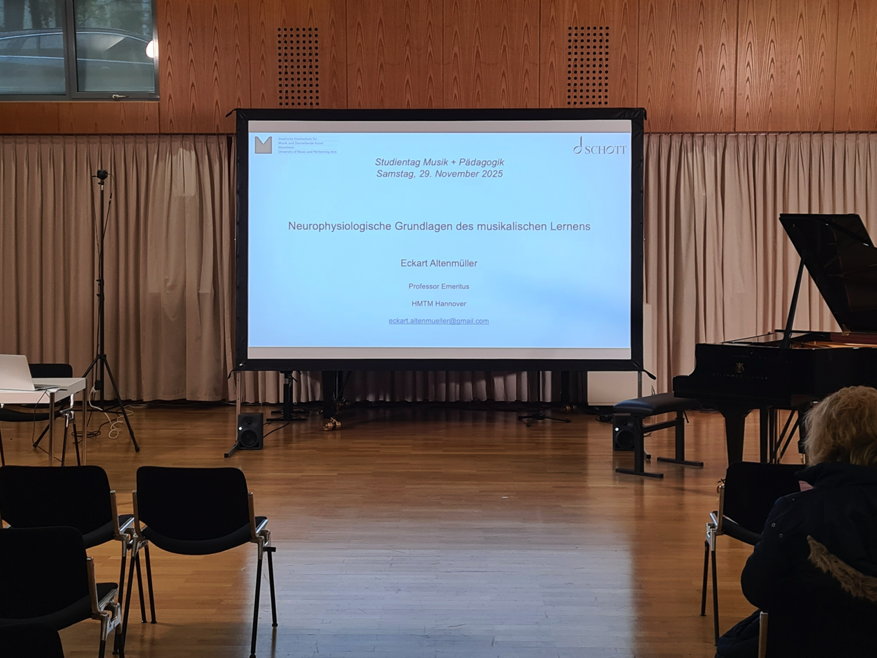
Yesterday, I visited the University of Music and Performing Arts in Mannheim. The overarching topic was »Herausforderung Üben«, covered by the following sessions:

  • “Neurowissenschaftliche Grundlagen des musikalischen Lernens” (Prof. em. Dr. med. Eckart Altenmüller)
  • “Üben und musizieren mit Apps und Gamification” (Kristin Thielemann)
  • “Üben geht klar! Impulse zur Gestaltung kreativer Lernwege im Instrumentalunterricht” (Corina Nastoll)

I especially enjoyed the first talk, which was extremely worthwhile. Since the format is established and will continue to take place, I’d like to recommend future issues.

Roland Se-02 bricked

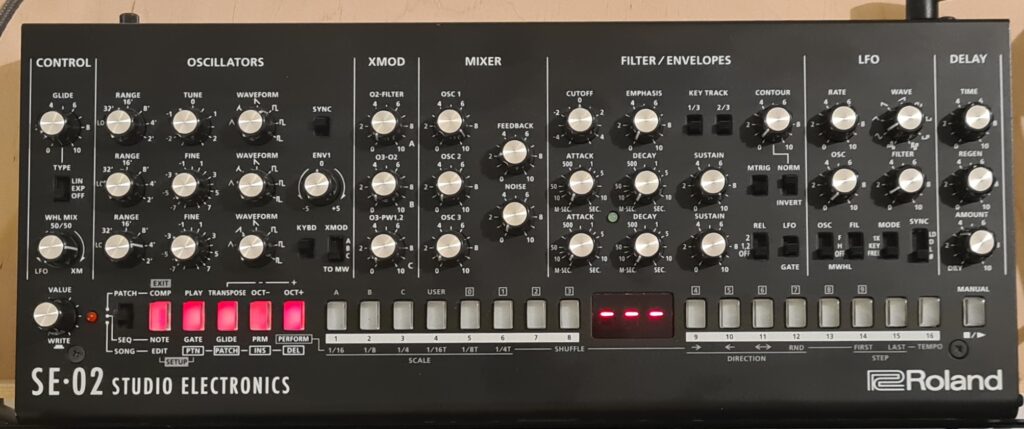
Yesterday the Roland SE-02 suddenly began to behave strange (sounds distorted and did no longer sound as the ones saved). Today, five red buttons and three red dashes are indicating that it finally gave up. It may well be that this is caused by the ON/OFF switch, which already was damaged when I purchased it S/H and which broke only today.

Due to the wee small controls, this synth is a bit difficult to use. Adjusting values often is a bit cumbersome, and moving one of the pots often leads to a neighboured pot being accidentally moved as well. The small display and well hidden features additionally make it less intuitive to program. But sound wise, this synth is one of the best sounding mono synths I ever owned. Despite its size, it can sound big and fat, but also extremely melodic and singing. A lot of its versatility comes from special features, e.g. its XMOD section in conjunction with the SYNC feature. Kebu shared some sequences when it was released back in 2017.

Meanwhile it seems to be discontinued, but fortunately a couple of dealers still have some devices on stock. In case you want some contemporary Minimoog sound, the SE-02 delivers Studio Electronics technology at a bargain.

Update 2025-11-09: I put it as defective on a S/H platform, and it was sold within minutes.

Silbermann-Tage 2025

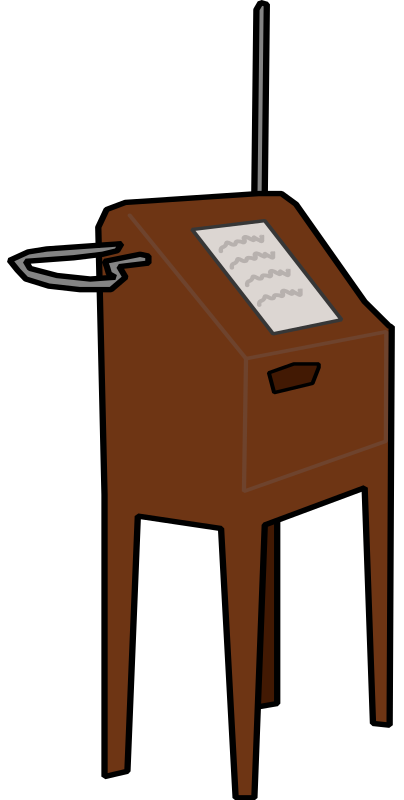
Letzte Woche war ich wiedermal bei den Silbermann-Tagen in Freiberg. Am Samstag konnten wir mit Jan Katzschke diverse Instrumente in der Umgebung aus der Nähe erleben, unter anderem einen handbetriebenen Zimbelstern.

Am Abend gab es dann ein “Zwillingskonzert” an den Silbermann-Instrumenten in St. Thomas, Strasbourg und im Freiberger Dom, bei dem es jeweils eine Live-Übertragung an den anderen Ort gab. Jan Katzschke spielte außerdem am Sonntag ein Konzert im Silbermann-Museum Frauenstein.

Seit gestern ist auch der XVII. internationale Gottfried-Silbermann-Orgelwettbewerb abgeschlossen. An insgesamt 6 Tagen konnte man den öffentlichen Wertungsrunden beiwohnen und bekam dabei Musikleistungen auf höchstem Niveau geboten.

Emulating short octaves in GrandOrgue

In order to attach physical MIDI keybeds to divisions in GrandOrgue, just right click (or Ctrl-Click, in case you’re on a Mac) on one of the keybeds in the UI. In the dialog, select »Detect complex MIDI setup«, then press the lowest and highest key on the keybed when being asked to do so.

Recently I had the occasion to get in touch with several historic Iberian instruments, which all challenged us with some short octaves. As a consequence, I wanted to practice with one. First I thought I need to update the Palma organ definition file (ODF) accordingly, but it’s much simpler. From the popup labeled »Event:«, just select »9x Note short octave at low key«. And that’s it. The MIDI events of the lowest octave of your console are rearranged by GrandOrgue, e.g. C through D# are silent, E represents C, F# represents D, G# represents E, and the remaining keys work as usual. Don’t forget to save the settings in case you want to keep them.

Vespers 2025 are past

The 14th season of vespers on the Dubois organ in Wissembourg is past. Due to other activities, like visiting historic organs in central spain and central Germany, this was the very first season since 2012 in which I was not able to attend (almost) all concerts. Actually, I only attended the first and the last two. Last sunday, Thomas Kientz, who already performed in 2013 and 2018, played an absolutely outstanding closing concert and left an absolutely exited audience. Here’s the programme:

I enjoyed the whole concert, and I have to admit that out of the many phantastic baroque composers of classic French organ masses, Guilain is one of my all time favorites. Thanks Thomas!

As always, I’m extremely grateful to all who contribute to make those outstanding concerts happen.

BTW: Chris Jarrett will perform on 2025-10-05 at 4 PM (note: not 5 PM).

MuSeg 2025 organ course

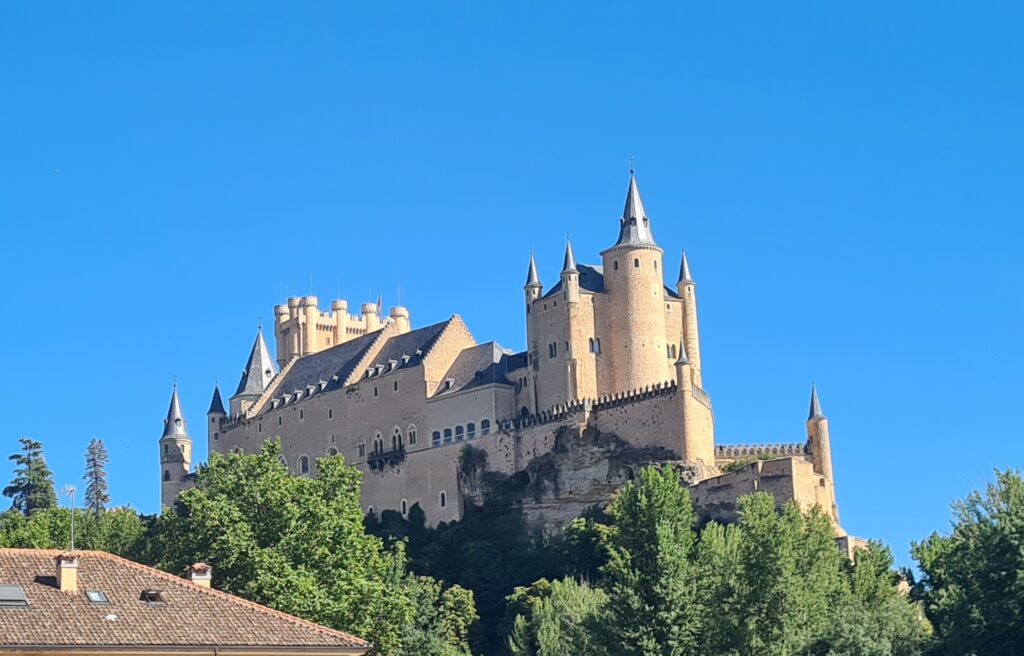
Alcázar of Segovia

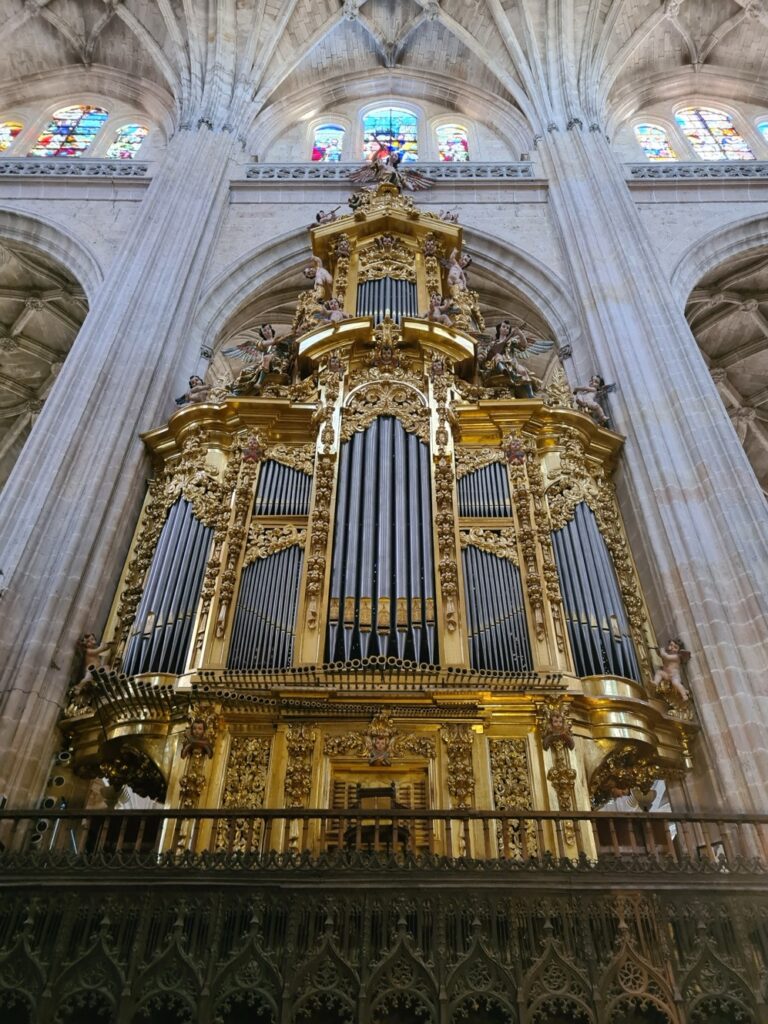
During the MuSeg festival, an organ course with about one dozen of participants took place. We learned a lot from Bine Bryndorf (just one example: historic fingering techniques) and Ángel Montero (for example, how to perform Glosas). Both shared an incredible amount of knowledge, positive energy, plus Angel was quite busy to ensure everything worked smoothly “behind the scenes”.

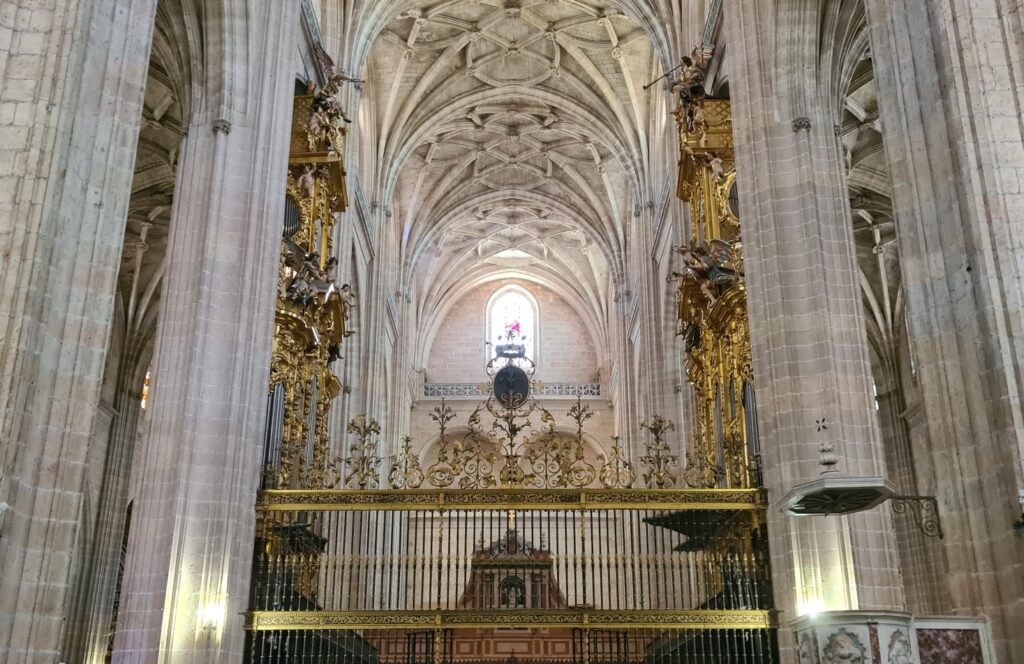
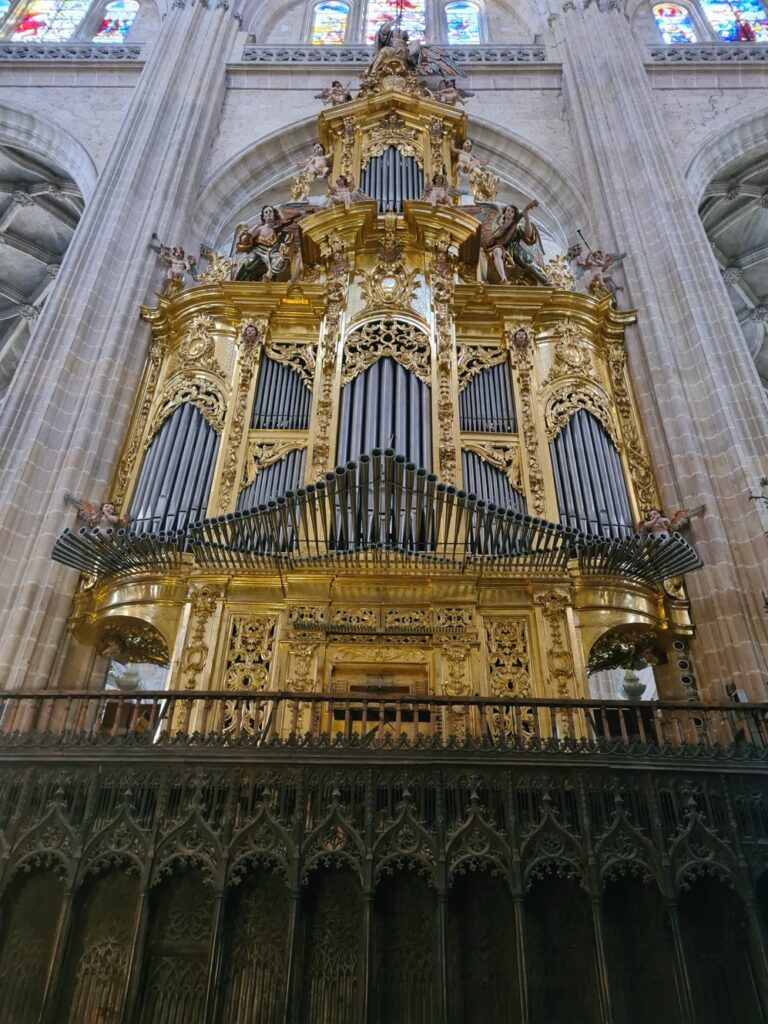
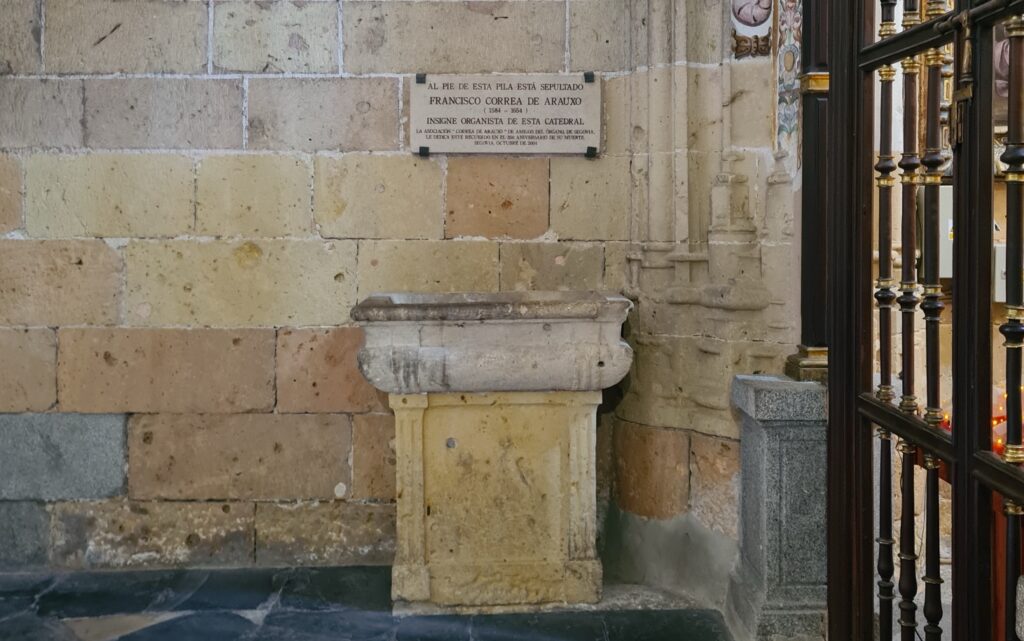
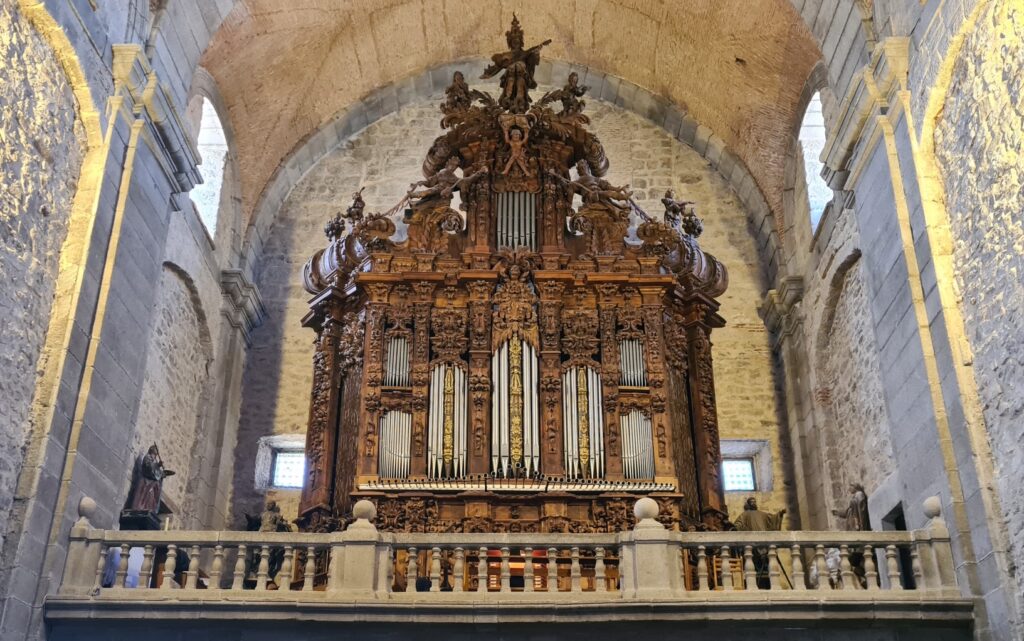
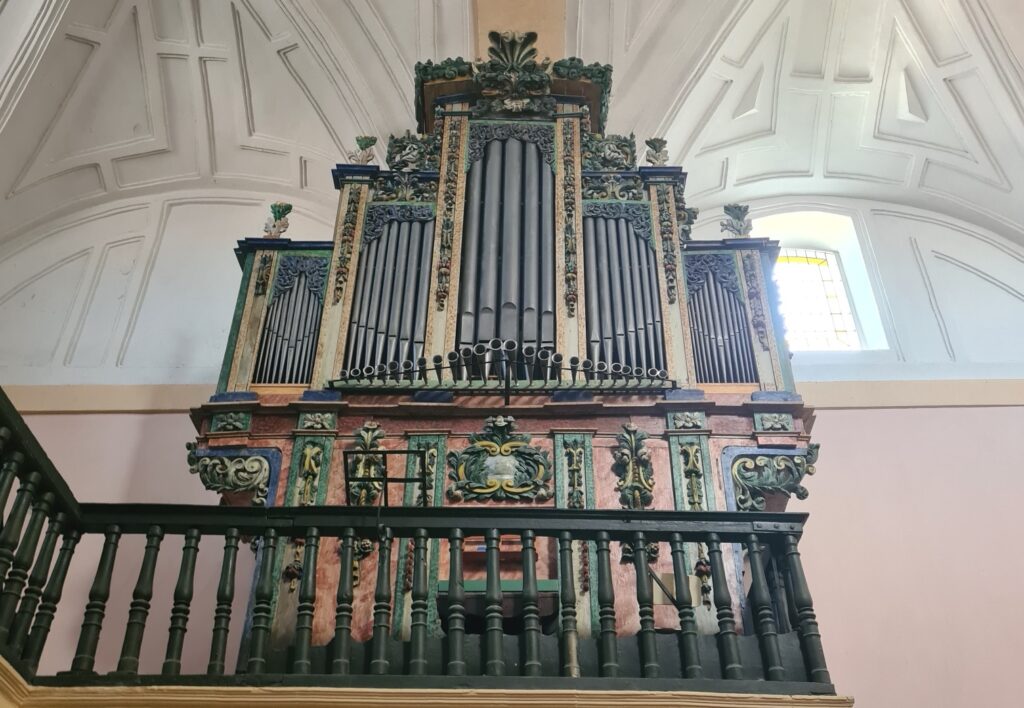
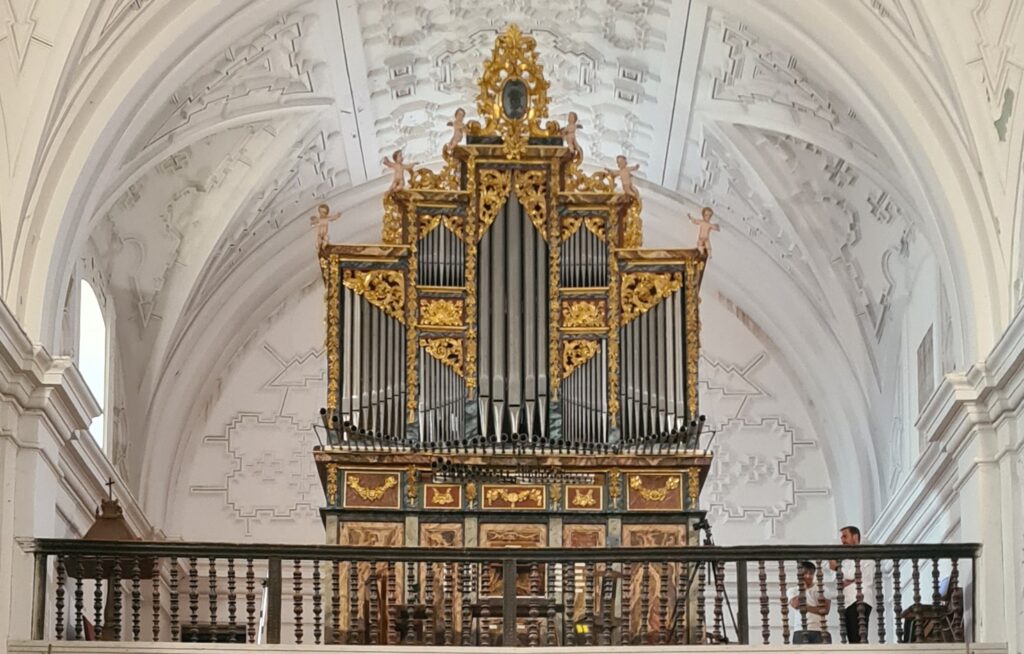
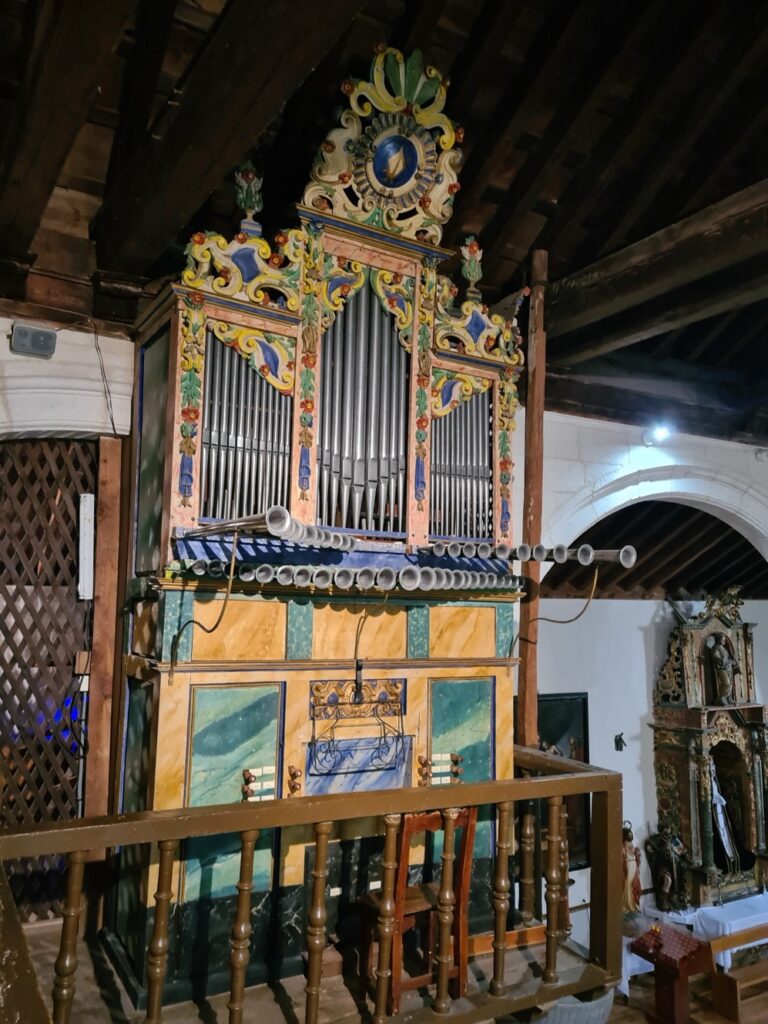
The course took place at several historic instruments: The two main organs of Segovia’s cathedral, a positive organ in one of its chapels, and the organs of the churches in El Espinar, Abades, Sangarcia, and Marugán (BTW: this valuable instrument has been replicated). Four concerts have been performed: an opening concert by Angel in Sangarcia, Bine on Monday at the smaller one of the two cathedral organs (recording), and course participants on Saturday in El Espinar respectively Sunday in Abades.

There were a couple of reasons why I subscribed to this course:

  • I have a couple of spanish baroque organ pieces in my repertoire, plus I started to learn two more only recently (Andrés de Sola, Primer Tiento del Primer Tono plus José da madre de Deus, Fuga in d minor). I simply know little of how to perform them best, so the course came in handy to further develop my skills.
  • I used several sources to learn more about the specialities of baroque Iberian organs. I learned a lot, but still a lot of questions remained. So the chance to have access to several historic instruments promised to better understand their particularities.
  • I use a digital sample set of the Echevarria organ in Segovia’s cathedral. The work with the sample set also left a couple of questions unanswered. So the chance to see the original instrument was extremely tempting.
  • Sound. Of course I listen to recordings and use sample sets. However, nothing is beating the real sound of an authentic instrument, including its imperfections, the typical meantone temperament and the analogue sound if the horizontal pipes.

The course was very rewarding, since I learned much more than I longed for. As a consequence, I’m extremely grateful to all of the people who contributed to make it happen. I met a lot of nice, skilled, and highly motivated people. Plus Segovia obviously is an extremely nice holiday destination.

Pictures:

Dubois organ Wissembourg – Vespers continued 2025

Yesterday three students of the Musikhochschule Saarbrücken performed the first concert of this year’s season. Michael Schwedt played the Suite du premier ton of Louis-Nicolas Clérambault, Helena Fontaine his suite de deuxième ton (which I also play myself) plus two pieces of Jean Adam Guilain (one of my favourite composers of the classic French organ), and Doyoung Ahn performed the pièce d’orgue de Bach plus two pièces de François Couperin.

It was a great joy and pleasure to meet friends and listen to the instrument played by young masters performing pieces composed for exactly this type of instrument.

Thanks a whole bunch to all involved.

How to get “that Moog sound”

I grew up with the sound of early synthesizers, especially musicians like Keith Emerson or Chick Corea playing Moog synthesizers. Still, the Minimoog is often seen as a reference to other synths.

Of course I always wanted to have that sound right at my finger tips. However, an original Mini (or even the Voyager) was expensive to buy and service. I once owned a Sub 37 which I had to bring to the service workshop at least twice. It’s a nice synth, but it’s not a Minimoog. I sold it during the pandemic.

Behringer provided two reincarnations, the Model D and the Poly D. Both sound great, but lack memory. The Roland SE-02, developed by Studio Electronics, provides memory and sounds phantastic. However, the tiny interface and its cryptic control labels make it hard to use.

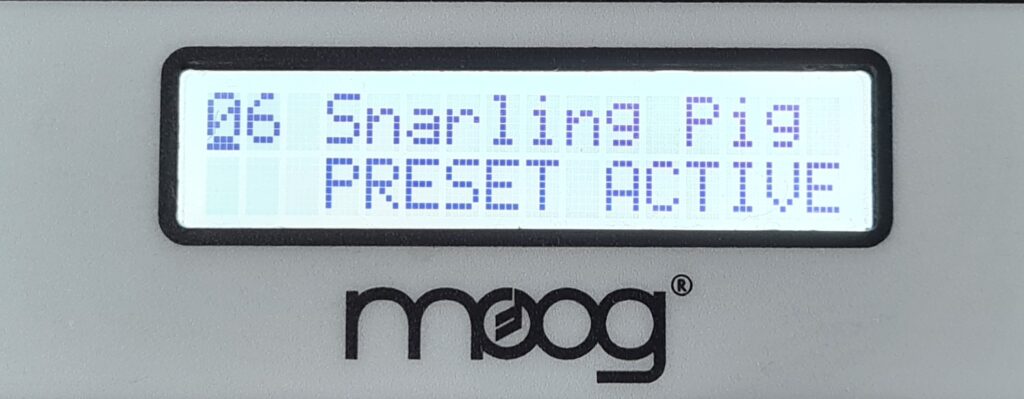
A recent reincarnation was the Moog Messenger, an affordable Moog monophonic synthesizer with patch memory and lots of features to make it a modern synth. It just arrived yesterday and I am quite impressed of what it is capable of. More deep dive sessions will follow.

Music for Iberian-baroque style organs

I did attend a huge amount of concerts being performed at the biggest baroque organ of Alsace, l’Orgue Dubois de Wissembourg. As a consequence, I became familiar with baroque french, but also spanish organ music. Currently I collect a couple of Spanish works I like so as to decide which one I want to learn to play next.

I’ve chosen the term “Music for Iberian-baroque style organs” with reason. First, the Iberian peninsula today consists of two countries, Spain and Portugal (which was sliced differently during the baroque period). Due to historic reasons, both countries had a massive influence on other parts of the world. Iberian style instruments can, for example, also be found on the Balearic Islands, on the Philippines or the “new world“.

So what are »Iberian-baroque style organs«? As with the rest of Europe, no organ equals another. They are all different, depending on regional differences, time, the believes of the builder, the economic situation of the buyer and the like. But anyway, there are some characteristics that are unique to this particular school of organ building.

  • Relatively small size. Those organs usually have to cope with relatively small housings. The instrument depicted above, for example, has no 8′ stop for the lower two octaves (it only has one for the upper two octaves).
  • No or very limited pedalboard. In case there was a pedalboard, it often just consists of 7 to 8 pistons in the floor, hard coupled to the manual. Obviously such a pedalboard is far away from being used as an independent “instrument” as in german organs.
  • Often just one manual. Organs with two (or even three) manuals exist, but many just have one manual of 4 octaves, including the (in)famous »short octave«.
  • Split stops. Very often (though not always) stops are only available for the bass or treble region of the keybed. In case a particular stop is available all over the keyed, it still provides two controls so it can be (de)activated for the bass and treble registers independently (some french instruments borrowed this principle for their reed stops).
  • Knee respectively horse shoe controls. Some instruments provide such controls so as to make it possible to quickly switch registrations while performing. This compensates the lack of multiple manuals as on french or German instruments.
  • Finally, the (in)famous horizontal reeds. Those often are seen as the typical characteristic of those instruments. Please note that those only have been developed relatively late during the baroque period. However, they became that popular that many existing instruments (e.g. the Caimari organ of Palma) have been refurbished with horizontal reeds.

As you can imagine, all the above had a massive influence on how those instruments have been played, and as a consequence, how written organ music has been composed. When listening to recordings of those instruments, I often wonder how it can be that an instrument with all those limitations sounds, well, that huge. No pedalboard?!? One keybed?!? But still a principal plenum and some solo voice on top of it?!? Yes, those instruments can do. Incredible. The booklet of »Iberische Orgelmusik des Siglo de Oro« of Gerard Gnann shares some further details concerning the intruments of that period.

Here’s some unstructured list of pieces I find noteworthy.

Replacing the battery of a Kronos X 88

I can’t believe my Kronos is already over 10 years old. But it is, and as a consequence, it recently complained about a drained battery.

To do so, I used the following:

  • CR2032 battery
  • Some pillow or similar to prevent the controls from being damaged
  • Screw driver
  • Small wooden or plastic stick
  • Rubber gloves
  • Anti-static wrist strap, if possible (admittedly, I had none)

Here’s what I did:

  • Disconnect all cables from the Kronos.
  • Place it upside-down on some smooth surface. Use pillows or similar to grant some clearance for its controls.
  • There are two different kinds of screws. Mark the bigger ones e.g. by using some tape.
  • Remove all screws from the bottom panel, except the screws of the rubber feet. Keep the two sizes separated from each other.
  • Remove the bottom panel (a screwdriver in one of the drillings should help to lift it).
  • Put on the gloves and the anti-static wrist strap (aka e-bracelet), if possible.
  • Locate the battery slot on the left hand side. Use some wooden or plastic stick to bend the clip backwards, then remove the battery (see topmost image).
  • Insert a new battery, without touching it with your fingers to prevent corrosion (hence the gloves).
  • Reattach the bottom board with the screws according to the markers. Tighten the screws, starting with the ones in the middle. Ensure to forget none.
  • Boot up the Kronos. Press the DISK button. Select the file, then the utility page. From the menu in the top right corner, select »Set Date/Time«. Use the value controller to enter the correct data. Press OK.
  • Reboot the Kronos.

That’s it. The battery alert should be gone for the next decade.

Fixing a macOS Sequoia webdav issue

Since several years, I run a privately hosted instance of Nextcloud for synchronizing files, calendars, and contacts across several devices. Even Apple’s calendar and contacts apps sync’ed nicely. At least until I recently tried to connect a machine running macOS Sequoia, which denied to collaborate.

The issue was caused by the fact that I didn’t install Nextcloud in the document root of my web server, but in a subdirectory (e.g. »yourdomain.com/nextcloud/«) instead. To circumvent the issue, I consulted Nextcloud’s documentation and placed a .htaccess file with the following content in the document root of the web server:

<IfModule mod_rewrite.c>
  RewriteEngine on
  RewriteRule ^\.well-known/carddav /nextcloud/remote.php/dav [R=301,L]
  RewriteRule ^\.well-known/caldav /nextcloud/remote.php/dav [R=301,L]
  RewriteRule ^\.well-known/webfinger /nextcloud/index.php/.well-known/webfinger [R=301,L]
  RewriteRule ^\.well-known/nodeinfo /nextcloud/index.php/.well-known/nodeinfo [R=301,L]
</IfModule>

Of course you need to adjust the subdirectory name »/nextcloud/« to fit your installation. Still, the abbreviated address as used in Nextcloud’s documentation didn’t do the trick for me. I still needed to use the deep URLs as provided by Nextcloud’s UI:

  • Contacts: https://yourdomain.com/nextcloud/remote.php/dav/addressbooks/users/username/contacts/
  • Calendars: https://yourdomain.com/nextcloud/remote.php/dav/principals/users/username/

I’m grateful for the excellent documentation of Nextcloud and uber.space, as well as the support service of uber.space who helped me to cope with the last hurdles. In case you are looking for a cool hosting provider, don’t hesitate to give them a try.

Connecting thumb pistons with GrandOrgue

Many home organ consoles are equipped with thumb pistons. Some of them are dedicated to control combinations. When being pressed, they usually also send some MIDI command to MIDI out. In case of this Johannus console (branded as Kisselbach), the pistons send a SysEx command. In GrandOrgue, Ctrl-click on a combination slot, then »Wait for event«, then press the desired piston and the piston is connected to the combination slot. This works well for memory bank 1, pistons 1 through 8.

However, this is not the case for all the other memory banks. Here’s the SysEx commands:

Mem: 1, Pistons 1-8

F0 00 4A 4F 48 41 53 00 10 09 F7

F0 00 4A 4F 48 41 53 00 10 0A F7

F0 00 4A 4F 48 41 53 00 10 0B F7

F0 00 4A 4F 48 41 53 00 10 0C F7

F0 00 4A 4F 48 41 53 00 10 0D F7

F0 00 4A 4F 48 41 53 00 10 0E F7

F0 00 4A 4F 48 41 53 00 10 0F F7

F0 00 4A 4F 48 41 53 00 10 10 F7

Mem: 2, Pistons 1-8

F0 00 4A 4F 48 41 53 01 10 09 F7

F0 00 4A 4F 48 41 53 01 10 0A F7

F0 00 4A 4F 48 41 53 01 10 0B F7

F0 00 4A 4F 48 41 53 01 10 0C F7

F0 00 4A 4F 48 41 53 01 10 0D F7

F0 00 4A 4F 48 41 53 01 10 0E F7

F0 00 4A 4F 48 41 53 01 10 0F F7

F0 00 4A 4F 48 41 53 01 10 10 F7

Mem: 3, Pistons 1-8

F0 00 4A 4F 48 41 53 02 10 09 F7

F0 00 4A 4F 48 41 53 02 10 0A F7

F0 00 4A 4F 48 41 53 02 10 0B F7

F0 00 4A 4F 48 41 53 02 10 0C F7

F0 00 4A 4F 48 41 53 02 10 0D F7

F0 00 4A 4F 48 41 53 02 10 0E F7

F0 00 4A 4F 48 41 53 02 10 0F F7

F0 00 4A 4F 48 41 53 02 10 10 F7

The tenth byte always is 0x09 through 0x10 (the eight pistons). The eights byte contains the memory bank. However, the auto detection of GrandOrgue fails to recognize it properly. Fortunately it is possible to configure it manually by the field lower bank.

GrandOrgue has a total of 50 general combinations. I recommend to configure all of them. Do not forget to save the organ settings. From now on, the console controls can be used to control all of the 50 general combinations of GrandOrgue, not only 1-8.